
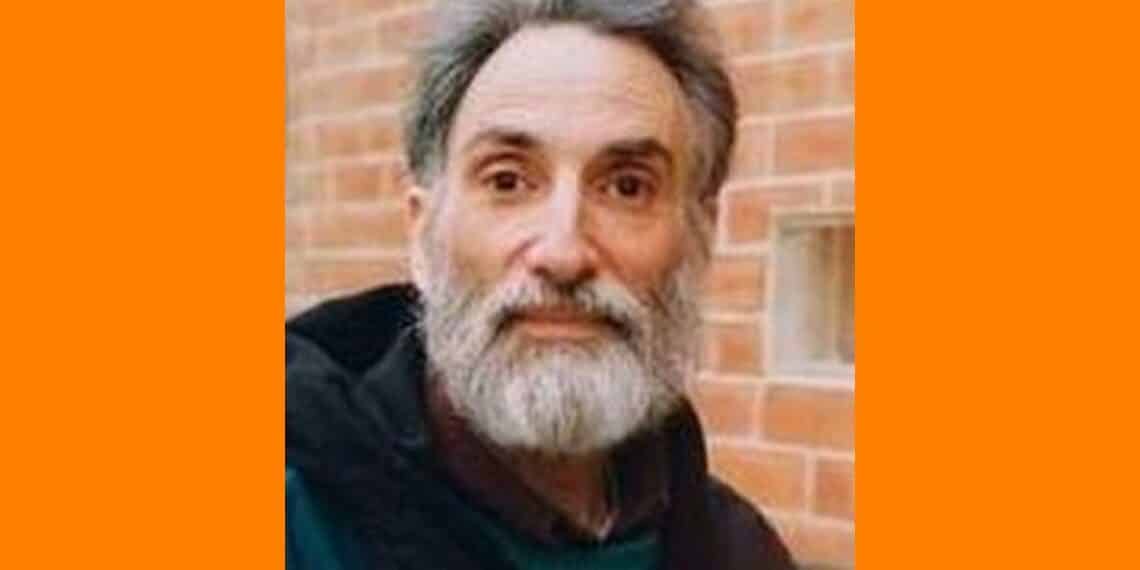

Hello Alan!!!!
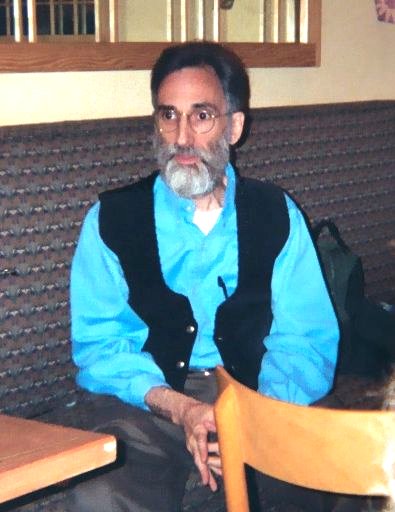
Nice to have you back! You were our very first Homeopath in the Hot Seat! At the time, we probably had only 500 readers, now we have tens of thousands; so, it’s safe to assume that not many have had the opportunity to hear you speak. Maybe you could begin by telling us who you are.
I’m sixty years old and have been either studying, writing about, consulting or teaching homeopathy for over sixteen years. Prior to that I worked as a respiratory therapist in a large hospital in Philadelphia, and got to see the limitations of allopathic medicine first hand.
I was editor of “Homeopathy News and Views”, the first popular culture newsletter on homeopathy. I founded a study group and taught homeopathy to housewives, secretaries, nurses and doctors. I’ve taught homeopathy on college campuses, at health food stores, in churches and in people’s homes. In homeopathic practice I meet people with serious and complex health problems….problems that started out as something simple, that you could have cured with homeopathy in a few days. They’ve been suffering for years and I think, “If only they knew about homeopathy before!” It’s so important to get the word out. If you look at the magazine section in a big bookstore, you’ll see three magazines for cigar smokers, six on body piercing, and ten on hairstyling,… but not one about homeopathy. There’s a lot of needless suffering just because people don’t know about homeopathy. I’m on a sort of mission, to help homeopathy move from our exclusive club, into the mainstream.
I know. It’s mind-boggling that something that can act so magically is so resoundingly unheard of by just about everyone!
But Alan, let’s talk about mainstream medicine. To what extent is it possible for homeopathy to take the place of Rx drugs in a hospital setting?
Well, there’s what’s possible and then there’s what is. Famous homeopath Dr. John Clarke wrote a little book called Diseses of the Heart and Arteries in which he describes curing serious cardiac pathology using just homeopathy. So we know that such results are possible. But when you look at how he tracked the cases, changing remedies at critical moments, you have to be in awe. Dr. Clarke did grand rounds at homeopathic hospitals, but most homeopaths today never get that kind of experience. (Perhaps Indian homeopaths are the exception.) Then there’s the liabililty issue. Doctors must use “state of the art” practice or they can be sued and lose their license.
Properly chosen homeopathic remedies allow the body to heal itself. But if you guess wrong, then nothing happens. Prescription medicines make something happen, so in a way they have more certainty. A shot of morphine will almost always relieve pain. That’s the allure.
But, these drugs do enormous damage! Over a hundred thousand deaths every year in the United States from properly prescribed prescription drugs, that’s according to JAMA itself, and those are only hospital deaths! The true figure is probably double that. And that doesn’t include the long term effects and untold suffering from suppressive drugs and vaccines. How do they get away with it? Most people, including doctors, think there is no other way. That’s due to Pharma’s huge propaganda machine. They create what Noam Chomsky calls “manufactured consent”. We think we want this system because we’ve been programmed that way. There are all the ads on TV, the doctor sitcoms, E.R. shows, movies, dolls for children, medical experts on the news….it goes on. Pharma spends $12,000 a year on each doctor in the country, giving away everything from free samples and expensive meals to vacations. That’s how you become the dominant medical model in a culture.
It seems impossible to fight this Goliath except for one thing: It’s becoming too expensive, it’s dangerous and …it doesn’t really work. People are figuring that out and spending their money out of pocket for alternative healers. Almost everyone has a friend or relative who’s been harmed by the medical establishment.
I see this largely as a matter of education. We need to start at the grass roots level, informing as many people as we can. We need to keep it simple, and explain homeopathy in a way that people can understand. We learn with our bodies. When someone experiences the effects of a remedy, they suddenly believe in homeopathy. We need more advertising by the homeopathic pharmacies. We need courses in beginner’s homeopathy that are affordable. Someone who just heard of homeopathy is not going to put out $250 for two afternoons of lectures. We need more publicity, with homeopaths going on talk shows and writing articles for popular magazines. Homeopathy could use a universal symbol. Exxon and Mobil have symbols, why not us? Let’s have a contest with a prize going to the person who comes up with the best symbol. The major homeopathic organizations should lobby insurance companies so they’ll cover homeopathy. The insurance industry has everything to gain. They’d save money on healthcare and medicine costs. And let’s keep knocking on the doors of those medical schools. Homeopathy should be included in all physician education.
Alan, you worked in a hospital. Take your average person who gets involved with the medical system for one reason or another–an infection, a sinusitis, a rash, asthma, a dietary-caused problem like diabetes…people think the responsible thing to do is go to their doctor or the hospital. What typically happens? Where do these people wind up?
Let’s talk about hospitals, because that’s where modern medicine “shines”. When people are sick and go into the hospital, they feel safer, thinking someone is taking care of them.
It’s just an illusion. A modern hospital is a Tower of Babel. A new study from the Instutite of Medicine (7/20/06) found that your chances of getting the wrong drug or the wrong dose on any given day are ….100%! Another study found that Medical errors kill 98,000 people a year. The numbers are probably much higher, since these are just the “reported events”. Those are the mistakes. But even when you get the right medicine, you’re in trouble. 106,000 people die every year from properly prescribed and properly taken medicine (JAMA 4/15/98).
So let’s assume you dodged all the mistakes and survived your medicine. Are you safe now? Not really. A further 90,000 people perish from hospital-acquired infections. A lot of those infections are resistant to all or most antibiotics, so when you get them, your goose is cooked.
People often go into the hospital for “evaluation”, thinking they’ll find out what’s wrong with them. According to another study (reported in USA TODAY 02/20/2001) one of every five patients who died in the ICU at one of the nation’s best hospitals was misdiagnosed by their doctors.
The error rate, in radiology alone, ranges from 10-90%! The American College of Radiology often quotes the more conservative rate of 30%.
In the hospital you see those starched white uniforms, the high tech equipment, and those distinguished looking doctors. You think everything is under control. But it’s just a crap shoot. In fact, you’d do better rolling dice.
My friend’s mother, at 94, was cheerful, lively and living independently. A month ago she developed a small boil on her ankle. It was red, hot and throbbing. I said “Give her Belladonna and she’ll be better by tomorrow.” “She’ll only take what the doctor gives her,” he told me. A few days later her leg was inflamed half way up the calf. She was admitted to the hospital where they gave her I.V. antibiotics and pain medication. The antibiotics didn’t work, so a few days later they tried another one. Still in the hospital a week later, her right arm became inflamed and exquisitely painful because the I.V. had infiltrated. The painful arm had been keeping her awake, so she was exhausted. The pain meds made her constipated and she didn’t have a bowel movement for three days. This normally cheerful person was now totally depressed and feeling hopeless. Her son brought her some vitamins, which she had used for years. The nurse promptly took them away. It’s now been almost a month and she’s still in the hospital, wracked with pain and is soon to be transferred to a nursing home. This all started with a little boil.
I hear this kind of story all the time!
Alan, you’ve been on a lot of talk radio shows, I’m sure you’re only given just a few minutes to make a case for why people should make homeopathy their first choice when their inclination is to take their problem to the hospital or the doctor. What’s your sales pitch, what do you say?
First of all, homeopathy is effective. It can cure chronic ailments, a claim the allopaths can never make [allopathy: “allo” meaning “other” or healing not with “similars”; homeopathy: healing with similars]. That’s huge. When antibiotics fail, homeopathic remedies will still work. Germs can never develop a resistance to homeopathic remedies. The principle behind homeopathy [similars cure, opposites antagonize] holds true regardless of the disease. For the last two hundred years homeopaths have cured meningitis, endocarditis, pneumonia, nephritis, tuberculosis, plague and venereal diseases using homeopathic remedies alone. Homeopathic remedies are effective against viruses, but antibiotics are not. In 1918 the Spanish flu killed 22 million people worldwide and 500,000 in the U.S. The survival rate with homeopathic treatment was 98%.
Homeopathic treatment would save money. The remedies cost about 8 cents a dose. It costs billions of dollars to treat people injured by conventional drugs. You’d save that money too.
Homeopathic remedies are much safer to use. They have no chemical side effects. Their use would save the over-100,000 lives taken by conventional drugs each year. People who are allergic to antibiotics or other drugs, or have kidney or liver problems can still use homepathy. Pregnant women can use homeopathy, even in the first trimester. For many ailments, homeopathy can be used safely by lay people, while regular drugs are not safe even in the hands of doctors.
You can cure people before they become very ill. Serious ailments often begin months or years in advance, with strange, subjective symptoms, like that a string is pulling your abdomen backward towards your spine (Plumbum); that could be the forerunner to eventual paralysis. The feeling that there are bands tied around your bones (Conium) could herald a cancerous growth. Assuming you could even get your doctor to test you, nothing would show up on your blood test or MRI. A timely remedy can head-off an on-coming disaster.
Properly used, homeopathy treats the whole person, the totality of symptoms. It cures the cause, which is the energetic imbalance. Allopaths suppress symptoms resulting in temporary relief but often leading to deeper illness. Homeopathy effects real cures.
You can begin prescribing without a diagnosis. This is especially important when new or exotic diseases arise.
Homeopathic remedies can be used to prevent disease, without the dangerous effects of vaccines. During a polio epidemic in Buenas Aires (1957) the remedy Lathyrus was given to thousands of people and not one of them developed the disease. There have been many such successes
over the last 200 years.
Homeopathic remedies are tested on healthy people, not on animals. That makes them more reliable and avoids the unspeakable cruelty of animal labs.
You can heal faster. Conventional drugs can relieve pain or reduce inflammation, but they don’t speed healing. All homeopathic remedies, when properly selected, speed the healing process.
You can sometimes avoid surgery. Polyps, tonsillitis, hemorrhoids, ulcers, abscesses, gallbladder problems, adhesions and more, can often be cured with homeopathy.
Homeopathic remedies remove toxins from the body. Conventional drugs increase the toxic load.
In skillful hands, homeopathic treatment can reduce the incidence of ailments that run in families. Hahnemann’s theory of miasms suggested that an energetic “taint” could effect the descendents of people who had contracted a disease. This non-gene inheritance has finally been explained by the science of epigenetics, validating Hahnemann’s theory. In a nutshell, they discovered that an acquired disease effects the expression of a gene in succeeding generations.
There’s one other reason to use homeopathy. It’s empowering.
Empowering is a good word. When you wake up in the middle of the night with stomach cramps from bad food or water, or waking with any discomfort at all, how empowering it is to go to your acute prescribing book, look up your symptom, take a remedy, and go back to sleep and have it not ruin the coming day. This is why every household needs a home remedy kit and an acute prescribing book.
And speaking of acute prescribing books! Alan, there are a zillion acute prescribing books out there, what makes yours special, and why did you feel the need to write one? By the way, what’s the title?

Homeopathy: an A to Z Home Handbook.
It’s meant to empower people when conventional treatment is either unavailable, ineffective or unsafe. Such a situation could come about from natural disasters, terrorist attacks, epidemics of exotic diseases or antibiotic resistant infections, power failures or mass illnesss due to genetic engineering. Many people are already trying to survive outside the medical system. They can’t use conventional drugs due to allergies, side effects, kidney or liver problems. There are also the forty-three million Americans who have no medical insurance who don’t seek help until there’s a crisis.
This book is the most comprehensive work available on acute homeopathy.
It covers both common and serious illnesses, ranging from colds and flu to nephritis, anthrax, heavy metal poisoning, vaccination effects and unendurable pain. I also include pregnancy and childbirth, preventing disease with homeopathy, first aid, emotional problems (from anxiety to acute psychosis) and antibiotic resistant infections. There are chapters on how to use a repertory; a brief history of homeopathy; how to make your own remedies or make them last forever; homeopathic “immunization”, organ remedies; and how to find the correct remedy when you don’t know the name of the ailment. There are remedies for specific occupations, ranging from secretaries and salespeople to farmers and fire fighters.
The book starts you from scratch and is written without medical terminology, so anyone can use it. You can pick it up and begin using it immediately. It is simple enough for any beginner, but contains information valuable to the most experienced homeopath.
It explains homeopathy and how it works in lay terms and with common metaphors. It justifies and legitimizes homeopathy with dramatic success stories about its effectiveness. It’s a great book to give to skeptics.
Even though it’s in “cookbook” form, this book offers enough remedy choices to really individualize the case.
Each of the thousands of remedy descriptions are written so that you can easily distinguish among them.
It’s meant to be user friendly, especially in an emergency.
It’s available from Barnes and Noble, www.amazon.com, etc.
I see what you mean. I have the book right here; everything’s in alphabetical order; so, if I just open it at random, I see: Gunshot wounds, Hanta virus, Headaches, Heart attack, Heart failure, Hepatitis….Yes, I see what you mean!
I would say most definitely this is the most comprehensive acute prescribing book, the most ambitious undertaking, I have ever seen! Every such book of this nature that I’ve come across, and I have many of them in my library, are careful not to tread off the beaten path of “safe” conditions, such as headache, sore throat, ear infection, teething, upset stomach, flu and so on; I have yet to see one that ventures into these “politically incorrect” arenas!
What else do we have here? Mushroom poisoning, Nausea, Necrotizing fasciitis–oh my God, that’s the flesh-eating bacteria! What else…Neonatal conjunctivitis…good heavens! You’ve literally thought of everything! Nephritis, Neuralgia, good lord, there’s even the Bubonic Plague! This is amazing. Snake bite, Sore throat….You’ll be happy to know I just sent one of my clients to Amazon to order it. All my clients have to be willing to buy an acute prescribing book and a home emergency kit as a bare minimum if they expect to get help from me. Oh my gosh, you’ve even got a section on Chemotherapy side effects! It’s so reasonably priced, to have so much information! Alan, I hate to tell you this but Amazon is practically giving your book away! I’d advise you not to look! But, if I could possibly ask another question? What is modern medicine’s “law of cure”, if you will?
Modern medicine has some implicit hypotheses and assumptions: The most dangerous one is that suppressing symptoms cures disease and that you can do it without consequence.
Another assumption is that you can manipulate one variable without affecting the whole. This mechanistic view is quite irrational in light of what we know about physiology. The ultimate expression of this is genetic “engineering”.
They have no sense, no appreciation whatsoever, of the body’s ability to heal itself. Most of the research on the immune system has been on how to suppress it for people with allergies and transplants. They keep looking for the magic bullet. But a living organism is a reactive system, and if you shoot at it, it shoots back!
Here’s another example: They discovered interferon and thought that was a magic bullet. But used in isolation, without the body’s feedback system, it produces some nasty side effects.
Could you elaborate please?
The body produces interferon in exact amounts, and then dissipates it when it’s no longer needed. That’s the feedback system. It provides a delicate balance. Doctors use synthetic interferon, and then just put it into the body, byassing that feedback system. It produces some therapeutic effects, but also toxic reactions that would never occur from your own natural interferon.
Another assumption is that your intuitions or observations about your own body are irrelevant. If it isn’t on their list of questions, they don’t want to hear about it. So that asumption would be, “If it didn’t come out of a medical book, it’s not true.”
They have no concept of individualization. They assume that all people of the same age and weight are biochemically equivalent. That’s how they calculate dosage. That assumption kills a lot of people.
They also have this mind/body dichotomy. Unless you are blatantly deranged, they disregard your mental state and your feelings. Look at the way people are treated in hospitals. There’s no awareness of the connection between mental state and physical illness.
They assume the body is purely mechanical and biochemical and they have no vitalistic sense whatever. They ignore the reality of our existence as conscious energy beings.
The concept of supression doesn’t even exist in conventional medicine. Doctors believe they’re curing you. Since the effects of suppression are delayed, they never make the connection. Symptoms are the body’s attempt to heal itself. By suppressing them, you interrupt the natural healing process which can drive the disease deeper. That boil exuding pus may be a vent for the body to rid itself of toxins. If you plug up that vent, the body has to find some deeper exit. That’s how a patient can move from eczema to asthma to colitis, to heart disease under suppressive therapy.
Antibotics are a problem for a number of reasons, supppresion being just one of them. They’re toxic to the liver and kidneys and are responsible for most of the deaths due to properly taken prescription drugs. By being overused, they contribute to the development of antibiotic resistant germs. They also knock the heck out of your internal flora, giving rise to candida infections that may go on for years.
Studies have shown that childhood infections treated with antibiotics are more likely to return than if they received no treatment at all. The susceptibility remains, and is even worse.
People “cured” of Syphillis, Gonorrhea, skin ailments or Tuberculosis, using antibiotics, can exhibit characteristic signs of illness for years to come. The infecting agent was killed off, but the vital force remains damaged. The proper anti-miasmatic remedy will restore those people to health.
I must add this disclaimer: If you have an infection and can’t get professional homeopathic care, or if remedies for some reason are not working, and you have a reasonably good liver, please avail yourself of conventional, suppressive antibiotic treatment. You can take vitamins to boost your immune system and milk thistle to protect your liver and probiotics to prevent the over-growth of bad bacteria. A dose of chelidonium before antibiotics may also assist your liver. While allopaths will only use their own methods, we must be more flexible, and do what is needed at the moment.
Of course the other point that has to be made regarding antibiotics is that they are only useful against bacterial infections, but the medical profession has irresponsibly encouraged its use mostly for viruses! Consider this, according to the CDC, and I’m quoting from “Passing the Buck”, an article by Barbara Martorana, ND from the Feb. ’04 ezine:
90% of all upper respiratory infections, including children’s ear infections, are viral yet upper respiratory infections account for 70% of all antibiotic prescriptions written.
It is also estimated that 41 million antibiotic prescriptions are written for the common cold [a virus] annually. That comes to about $1.1 billion spent on antibiotics just for cold viruses. There are about 7 million adult annual visits to the physician for sore throats each year. Of these visits 90% are for viral infections and yet 74% of these visits result in an antibiotic prescription.
Do you see what’s happening here? It seems that the overwhelming majority of antibiotics are being prescribed inappropriately; are we supposed to surmise that doctors aren’t familiar with their own drugs? The CDC’s explanation? “Patient demand”!
I heard this addressed in a documentary a few years ago. They went around interviewing physicians and asking why they gave antibiotics for viral infections. One doctor summed it up when she said, “The patient wanted antibiotics. If I didn’t give it to her, someone else would.” So, in other words, she didn’t want to lose the patient’s business. That’s the answer.
So it’s all about money and expediency. Can you imagine homeopaths giving out remedies based on popular demand? (“The case was Nat-mur., but, the patient wanted Arnica so I gave Arnica.”) Imagine this happening in 70-75 percent of all patient visits to a homeopath!
I think any homeopath would be happy to explain why Arnica would not work, but I think the truth here is more like embarrassment at having to admit that modern medicine simply has no cure for viruses, period!
I agree.
Alan, to put things in perspective, if antibiotics were properly prescribed, for what conditions would the average child, let’s say, be receiving antibiotics? And same question for the average adult.
Since each case involves different severity, and people with varying immune systems, it’s difficult to just list illnesses which require antibiotics.
If we had a homeopathic medical system, there would be very few antibiotics given out. We would all have access to professional homeopaths and a homeopathic hospital. Most of the ailments that require antibiotics would be nipped in the bud as minor inflammations. At many hospitals in India, you can opt for ayurvedic, homeopathic or allopathic treatment. Homeopathic treatment is available from 70,000 board certified physicians and at 1000 Indian hospitals. The Indian government sponsors and funds ongoing research in homeopathy.
In England, France and the Netherlands, homeopathy is covered under the National Health Service. At the General Hospital in Klagenfurt Austria, homeopathy is used alongside conventional treatment in the pediatric oncology department. At Vinnitsa National Medical University in the Ukraine, homeopathy has been used to treat atrial fibrillation.
The seeds are there, we just need to push a little harder. Getting insurance coverage is one critical link. Another is getting more qualified homeopaths. If there were suddenly a demand for homeopathy, there wouldn’t be enough practitioners to go around. We could solve that problem by sponsoring experienced homeopaths from other countries. In the United States, homeopathy really needs to go into a proactive state. It will take more than one generation, but we owe it to our children. Their lives depend on it.
Before you go, lest everyone should forget about your book….here’s some more of the medical conditions it covers–again, I’ll just open it at random:
Poison Ivy, Polio, Prostatitis, Rabies, Radiation exposure, Scarlet fever, Sciatica–ooh! You mean there’s hope for me? Thanks Alan!
*************
Email Alan Schmukler at [email protected]



Thank you for your comments and helpful information regarding Homeopathic approaches to gaining and retaining wellness, Alan !
As a GP who has an interest in natural approaches to wellness I appreciate your comments, and also your comment on the Irish Medical Times forum. Keep it up !
Neville Wilson.