
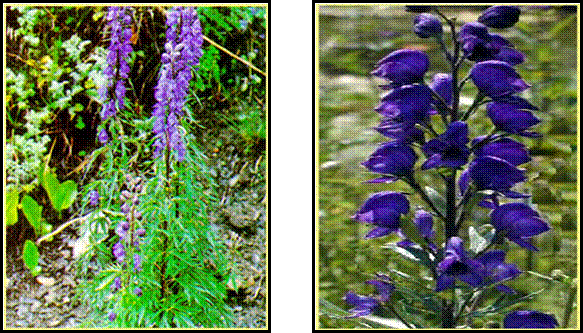

Aconite History & Introduction
It is an extremely powerful and potentially toxic herb with a long history of use. In traditional Chinese medicine, this is considered an effective stimulant for the Spleen and Kidneys, and is a favorite treatment for Malaise, General Weakness, Poor Circulation, Cancer and Heart Disease. Around the turn of the 19th Century, Finley Ellingword M.D. declared that , “Aconite has become the greatest of the agents used by the profession in control of Fever.” Dr Ellingword also found that it could be extremely useful in the relief of acute pain and suggests, “Perhaps the most immediate influence obtainable in acute pain is to put 10 drops each of Chloroform and Aconite into the palm of the hand and hold it over the seat of pain for 2-3 minutes. The effect is instantaneous and marvelous.”
This herb can be used to treat either Hypertension or Hypotension depending upon the preparation. According to Potter’s New Cyclopedia of Botanical Drugs and Preparations, “Aconite has a transient hypertensive activity whereas the herb after heat treatment, has a transient presser activity.” Recent studies have discovered that various Monkshood species have anti-tumor, anti-viral and anti-bacterial activity. The contemporary German Medical Herbalist, Rudolf Fritz Coeirs, M.D., states that “Aconite is still a valuable remedy for genuine Facial Neuralgia. Neurologists continue to say that this is the drug to be tried first. ”
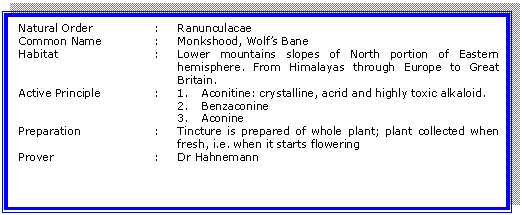
Aconite is a genus of plants belonging to natural order Ranunculacae, the Buttercup family, commonly known as Monkshood or Wolfs Bane. Ranunculacae is embracing about 60 species, chiefly natives of the mountainous parts of the northern hemisphere. They are distinguished by having one of the five blue or yellow colored sepals (the posterior one) in the form of a helmet; hence the English name Monkshood. Monks hood has been mentioned in herbals and plant lists since the 10th century. In the past it was often used as an antidote to snake bites. The poison is mainly in the root, although the other plant parts are poisonous too. The scientific name Aconite is derived from the word AKONTION, meaning dart, as arrows or darts were frequently dipped into its poison. According to Maude Grieve “1/50th grain of aconitine will kill a rabbit in few minutes “. The lethal dose for human is only 3 to 6 mg. The name Wolf’s Bane came about in a similar manner. It was believed that arrows dipped in the poison or baits anointed with it would effectively kill wolves. Aconite and Belladonna were said to be the ingredients in the Witch’s “Flying Ointments”. Aconite causes irregular action of heart, and Belladonna produces delirium. These combined symptoms might give a sensation of ‘flying’.
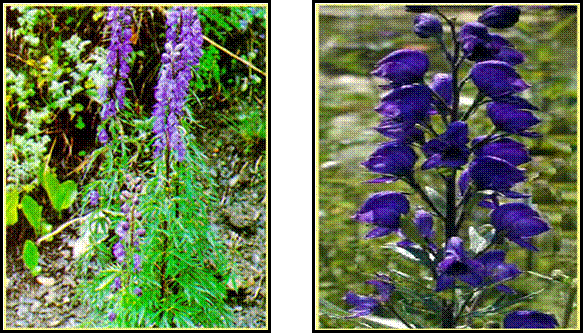
The specific name “Napellus” signifies a little turnip, in allusion to the shape of the roots. The plant is a hardy perennial, with a fleshy, spindle shaped root, pale colored when young but subsequently acquiring a dark brown skin. The stem is about 3 feet high with dark green , glossy leaves, deeply divided in palmate manner and flowers in erect clusters of a dark brown color. The shape of the flower is specially designed to attract and utilize bee visitors, especially the humble bee. The sepals are purple – purple being specially attractive to bees — and are fancifully shaped , one of them being in the form of a hood.
Aconite is one of the deadliest and most rapidly acting poisons, yet through Hahnemann’s discoveries it has been transformed into a very useful medicine. Hahnemann published its pathogenesis in 1805, and to him the world is indebted for the knowledge of its therapeutic values. Hughes says that the allopaths have caught a glimpse of its virtues from its use by the homoeopaths. Aconite is a short acting remedy. There is hardly any acute disease in which it is not more or less called for. It is one of Clarke’s A,B,C, Nurseries, others being Belladonna and Chamomilla. Aconite causes “turmoil in circulation”, Belladonna “turmoil in brain” and Chamomilla causes “turmoil in temperament”.
|
PHYSIO-PATHOLOGICAL ACTION of ACONITE |
||
|
SYSTEM/ORGAN |
ACTION |
RESULT |
|
Heart |
Stimulates the inhibitory centre of vagus — later vagus becomes exhausted and paralyzed |
Reduces heart rate; lessens B.P. |
|
Circulation |
Vasomotor paralysis leading to arteriolar dilatation |
Tachycardia, Palpitation, Cardiac arrest |
|
Central |
At first stimulates and later paralyses the nerves of pain, touch and temperature, if applied to the skin, broken or unbroken, or to a mucous membrane |
Initially numbness and tingling in extremities followed by long continued anesthetic action |
|
Temperature |
Initially depressed | Chilliness down the spine and sides |
| Later on general constant heat |
High rise of temperature | |
| Followed by diaphoresis | Copious perspiration with lowering of temperature |
|
|
Mucous |
Inflammation: |
|
| Respiratory tract | Influenza, cough and cold |
|
| G I Tract | Dysentery | |
|
Serous |
Adhesive Inflammation | Pleurisy, Pericarditis, Peritonitis |
|
Respiratory |
Depression of Respiratory Centre |
Respiration becomes slower and deeper |
| Congestion and inflammation of lung |
Pneumonia | |
|
Stomach |
Congestion and inflammation of gastric mucosa |
Vomiting and Pain |
| Neuralgia | Pain in abdomen | |
|
Tendons |
Rheumatoid inflammation | Pain and swelling of joints |
|
Muscular |
Increases the irritability of voluntary muscle |
Convulsions |
Constitution
| Physical | : | Strong robust people with rigid fibers; dark hair and eyes; young person especially girls of a full, plethoric habit who lead a sedentary life; rosy; chubby and plethoric babies; persons who are easily affected by atmospheric changes |
| Mental | : | Nervous, Fearful and Sanguine temperament |
| Thermal | : | Aconite seems to be a warm blooded patient |
| Diathesis | : | Scrofulous diathesis |
| Miasm | : | Psora is in the background |
Causation:
1. Exposure to dry cold air, dry north or west winds. (Bry; Hepar Sulph)
2. Exposure to draughts of cold air while in perspiration
3. Bad effects of checked perspiration (Bry)
4. From fear or excitement
5. Effects of fright either immediate or remote (Opium – remoter effects of fright)
6. Heat of sun
7. From injury or surgical operations
GUIDING SYMPTOMS of ACONITE
1. Sudden and Violent:
Acute, sudden and violent invasion calls for it. All the acute cases occur suddenly and with great intensity e.g. influenza, cholera, fevers, acute inflammations and even sudden blindness.
2. Especially suited to congestive stage of inflammation before localization takes place.
3. Tension: According to Dr Hughes, “Tension” is the word which gives the best idea of the action and sphere of Aconite. Emotional and mental tension as shown in fright or fear and its consequences , anxiety and fear of death. Muscular tension, as in tetanus, convulsions; tension of involuntary muscles, as in cardiac spasm; tension of the semi-involuntary muscle of respiration as in asthma.
4. Fear: Fear is etched upon one’s countenance: Fear of dark, Fear of crowds, Fear to cross the streets, Fear of Death during pregnancy.
Fear of Death: Predicts the day and hour of his death.
|
TRIO OF FEAR OF DEATH |
|
|
ACONITE |
Fear of death during first stage of disease, patient thinks that unless proper medicine is taken, he is going to die and therefore wants doctor to be called immediately. Restlessness and Anxiety. |
|
ARSENICUM |
Fear of death during later stages of disease. Patient does not predict the time of death but feels that his disease is fatal and incurable, therefore there is no use of taking the medicines hence no doctor is to be called. Restlessness, Prostration. |
|
RHUS |
Fear of being poisoned. Fear of death due to intensity of pain. |
5. Fright: Threatened abortion from fright or anger, amenorrhea after fright; vertigo after fright.
6. Mental anxiety, worry and fear accompany the most trivial ailment.
7. Restlessness: “Anxious restlessness”, i.e. restlessness accompanied by anxiety; does everything in great haste must change position often; during fever intense nervous restlessness with tossing about in agony.
|
TRIO OF RESTLESSNESS |
|
| ACONITE | Mentally and Physically restless. As he is full of energy and vigor, he moves from one place to another place frequently |
| ARSENICUM | Mentally restless but physically prostrated. |
| RHUS TOX | Very restless; can not remain in bed, must change position often to obtain relief from pain. |
8. Hypersensitivity: To pain, touch, sound, smell
|
· |
: | Pains are intolerable, drives him crazy, patient screams with pain; pains are always attended with restlessness and numbness; worse at night
|
||||||||
|
· |
: | Can not bear to be touched or to be covered | ||||||||
|
· |
: | Least noise, even music is intolerable, makes her sad; it goes through every nerve .Sabina: Music is intolerable; produces nervousness, goes through bone and marrow.
Thuja: Music causes weeping (Ambra Griesea) Nat. Carb: Attacks of anxiety and restlessness during a thunderstorm |
||||||||
|
· |
: | Hypersensitivity to smell; especially for unpleasant odors. | ||||||||
9. Burning:
Burning runs all through the remedy. Burning heat in fever, burning in head, as if there were burning water in brain; burning in spine; burning during micturition with scanty urination; burning thirst.
10. Numbness and tingling:
Pains are accompanied by numbness and tingling; paralysis accompanied by coldness, numbness and tingling, neuralgia especially of left side with numbness, tingling and restlessness.
11. Unquenchable burning
thirst for large quantities of cold water. (Ars: Thirst for small quantities of cold water at short intervals; Bry: Thirst for large quantities of cold water at long intervals)
12. Skin dry and hot:
during fever face red , or pale and red alternately; sweat scanty, only on uncovered parts (covered parts – Belladonna)
13. Hemorrhage:
Profuse; bright red, from nose, lungs, stomach; bleeding piles with heat and sharp stitches, sudden severe pain in stomach with gagging, retching and vomiting of blood.
14. Modalities:
Aggravation: evening, night, warm room, lying on affected side; from music, tobacco smoke, when rising from bed, dry cold air.
Amelioration: In the open air.
GUIDING SYMPTOMS:
MIND:
1. Anxiety: Great anxiety of mind with nervousness
2. Anxiety from company, pain, fear, during fever, at night
3. Aversion to company, to meet people
4. Restlessness: can not stay at one place. The patient is plethoric hence moves about one place to other.
5. Fear of Death: Thinks if the doctor is not called , he will die. Predicts the time and day of his death.
6. Fear of crowd, fear of crossing the street, fear of spectators, fear of darkness, fear of cat, fear of dog etc.
7. Intolerable pains which makes him crazy. Neuralgic pains on left side of face with tingling.
8. Music make her sad.
FEVER:
1. Starts with chill. Icy coldness of face.
2. Followed by heat and high temperature
3. Dry skin
4. Heat with unquenchable thirst
5. Hard, full, quick pulse
6. Great restlessness with anxiety and fear of death with unquenchable thirst.
7. Profuse sweating which ameliorates.
8. After exposure to dry cold wind, fear and fright, shock , exposure to extreme sunlight.
9. Face red, face becomes pale when rising up in bed.
10. < evening, night, music, fear, cold air
> open air, after perspiration
In simple fevers, aconite aids diagnosis. ”
If in twelve hours’ treatment with aconite the patient is not well, or markedly improved, he has more than a case of simple fever” (Locke). In typhoid fever, it cannot arrest the disease, though it may be used, if clearly indicated, which we believe is rarely; baptisia is a much better remedy here. Rheumatic and intermittent fevers are benefited by it, especially when slight chilly sensations are repeatedly experienced. Gastric fever, with yellow-coated tongue, bad taste, and diarrhoea of undigested aliment, is controlled with aconite in small doses. Its action is marked in many inflammatory skin diseases. In erysipelas, when high fever is present, never omit aconit (Locke). In brain and meningeal disorders, it is frequently of marked advantage.
Add to the characteristic pulse a hyperemic state of the superficial cerebral and meningeal vessels, and our case is one for aconite. If there be great excitation, gelsemium will aid its action; if congestion, belladonna. Insomnia, from nervous erethism, points to aconite for its relief. Such a state, bordering upon convulsions, sometimes depends upon teething and gastro-intestinal diseases. Mental perturbation, with fever, and a fear of impending disaster, with melancholia, is said to be relieved by aconite. Webster proclaims it “the pulsatilla of the febrile state.”
COUGH:
1. Ringing cough, burning in larynx and trachea
2. Hoarse, dry, loud cough with sense of suffocation
3. Haemoptysis, blood comes up easily with slightest of coughing
4. Dry, croupy, suffocating cough
5. Difficult breathing with suffocative feeling in chest.
6. Cough < night and after midnight.
Belladona: dry, tickling cough < night, larynx
painful, hoarseness, barking, whooping cough, violent.
Ipecac: constriction chest, dyspnoea, violent with every breath, nausea, rattling, hoarseness, suffocative.
Drosera: paroxysms violent, whooping, deep, hoarseness, dry, irritating, < midnight
Hepar: hoarseness, dry, choking, wheezing, dyspnoea, excited by cold or uncovering > damp.
GASTRO INTESTINAL SYSTEM:
1. Vomiting with restlessness and profuse sweat.
2. Better from belching
3. Intense thirst, drinks and vomits.
4. Vomit of bilious mucous .
5. Hamatemesis.
6. Abdomen sensitive to touch .
7. Burning in stomach and abdomen.
8. Diarrhoea, during hot days and cold night
9. Dysenteric stools, with blood and mucus, pure blood.
HEART:
1. Tachycardia
2. Affection of heart with pain left shoulder.
3. Palpitation with anxiety, fainting and tingling
4. Full, hard, bounding pulse.
SHOCK:
There are few homeopathic remedies that can handle shock as well as Aconite can (Arnica Montana, being a good in this special category). Bach’s Rescue Remedy is a combination of 5 flower essences. The Aconite Natural Essence is only one: the royal purple flowers of this wonderful plant. When injured, here are the signs and symptoms you should look for in order to give Aconite.
1. Desires to be alone
2. Apathy to surroundings
3. Depression
4. Fear of Suffocation
5. Panic or anxiety attack
6. Annoyed by light and wants darkness
7. Wants someone nearby, but not necessarily touching them or pampering them
FEMALE:
1. Amenorrhea in young plethoric girls
2. Suppression of menses from fright or cold
3. Active uterine hemorrhage
4. Fear of death during pregnancy
5. Threatened abortion from fright or anger
MODALITIES:
Aggravation:
· Evening
· Fear and Fright
· Night
· Music
· Inspiration
· Extreme cold and extreme heat
· Warm covering
Amelioration:
· Open air
· Perspiration
EXTRA SHOTS
Aconite is an acute medicine and works only in acute stage of fever. By its high fever indications, it should never be used in case of Typhoid Fever and Malarial Fever.
Sulphur is the chronic of Aconite.
It is stated that digitalis previously administered to animals, wholly prevented the toxic action of aconitine (Fothergill); hence digitalis is recommended to antidote aconite poisoning. Tannin (astringents) is said, also, to be an efficient antidote. Inhalations of nitrite of amyl were resorted to in one case with good results. Strychnine, atropine, or strophanthus may be cautiously administered. In no case allow the patient to arise from the recumbent posture, lest death suddenly take place from syncope.
By its control over the sympathetic nervous system, and its influence on the circulation and temperature, aconite becomes one of the most important remedies in the treatment of respiratory lesions. If the temperature is high, it reduces it; if it be abnormally low, it raises it to its normal standard. It is the remedy for all asthenic inflammatory and febrile conditions, especially in their earlier manifestations. It is the remedy for hyperemia; it is the remedy for loss of tone in the capillary structures resulting in inflammation. Loss of tone in a part causes capillary stasis, which, if allowed to go on, results in congestion, and, continuing, ends in inflammation. Here aconite controls the circulation, allays the irritation, lowers the temperature, and re-establishes the secretions.
It acts as a gentle stimulant to the sympathetic system, consequently it has a good influence over irritation and inflammation in the parts supplied by it. Aconite is the remedy for irritation of the mucous surfaces.
Acute catarrh, nasal and faucial, acute pharyngitis, and ulcerated tonsils, with elevated temperature, yield to aconite. It is the first remedy to be thought of in tonsillitis, spasmodic and mucous croup, and it is not without value in the pseudo-membranous form of croup. It may be used internally and locally. In spasmodic croup it allays the spasm, and the dyspnoea is quickly relieved. In tonsillitis it materially lessens the duration of the disease.
It may be used early by spray, and given internally in small doses. Associated with gelsemium, it is of value in a large percentage of cases of “la grippe.” In cases of acute coryza, it controls the febrile phenomena. In pneumonia, catarrhal or fibrinous, it is of signal value in the earlier stage to control the inflammatory process. It is good, though of less value, in the latter stage of the same malady, when bryonia is to be preferred. Its use in acute bronchitis and laryngitis gives good results. In pleurisy it should be associated with bryonia in the earlier stage, with sharp pain, marked chill and high temperature, and the use of the latter agent should be continued to remove the effusions after the acute pains have subsided.
It is one of the best agents to prevent acute catarrhal pneumonitis, as a complication of measles, and one of the best to control it in case it does supervene. The remedy should be administered in phthisis, to regulate the temperature, and is very valuable when new portions of the lung tissue are being invaded by the inflammatory process. It is said to give relief in asthma, with high temperature.
Give the drug in small doses, frequently repeated, in acute disease; 3 or 4 times a day in chronic conditions. No remedies surpass aconite and belladonna in the exanthematous diseases, and very frequently no other remedy than aconite will be indicated in scarlatina and measles.
Here the hot, dry skin, with vascular excitation, calls for the drug, the temperature falling as soon as the eruption appears, which aconite aids in bringing out. Recent amenorrhoea, due to cold, is amenable to aconite if the circulation and temperature be increased. Disorders of the menopause, with alternate chills and flushes of heat, “with rush of blood to the bead,” cardiac palpitation, dyspnoea, gastric fullness, and sense of distension in the bladder, with frequent attempts to pass urine, are relieved by the usual dose of aconite every half hour (Locke). In uterine hemorrhage, as menorrhagia, with hot, dry face and excited circulation, aconite will relieve. In cardiac diseases, it has been employed with good results when there is palpitation, depending upon irritation; and for heart spasm, witha feeling of suffocation and as if the heart’s action would cease, it is a prompt remedy.
Aconite is one of the first remedies for gastro-intestinal diseases, and especially the bowel troubles of children. All such disorders resulting from cold, or with inflammation, demand aconite as a part of the treatment. In aphthous conditions, with fever, associate it with phytolacca. It relieves gastric irritation, and may be associated with amygdalus, rhus, and ipecac. Diarrhoea, cholera infantum, cholera morbus and acute gastro-intestinal irritation, usually yield to aconite and ipecac; while in dysentery, aconite, associated with ipecac and magnesium sulphate, is very prompt in controlling the disease. It is often indicated in the diarrhoea of teething.


Dear Sir,
Your article is very massive. You are requested to please help me about availability of aconite Powder 99% OR preparation of this as I have to process the same for a medicine. In this respect your an act of kindness would highly be appreciated.
Thanks and best regards.
Hakeem Munir Ahmed Qamar
Dear Munir,
Potentized Aconite is available from any homeopathic pharmacy. There is no need to make it yourself.
Hi, we suffered a horrific crash in which we survived, my son’s skin since then has exploded with inflammation, his mental state has never been the same, irritable, selfish, moody, always saying ‘i love you’ like we’re going to go somewhere out of his life it makes me sad to see him go from a confident 3yr old to this state and me and my wife although we’ve suffered minor psychological issues which we are working through we both tear looking at the state of our son and how is going on his skin inflammation all over his body as well as his psychological position at this time of his life, we visited a homeopath who prescribed us aconite 1m to take first dose which we done, that stopped the itching for a couple days then it started to resurface again, which then the homeopath said to start taking sulphur 30c which is where his skin exploded again, we’ve given him back on aconite for now to settle it down could you please share any help for my family thanks.
Can Aconite be used as a Constitutional Remedy?
Yes, there is no reason why it cant. If the patient is giving Aconite symptoms in a chronic state, then that is the remedy.
I had a similar skin situation, like Ariki, with my son, who was 22 then. He would also keep repeating, ‘I love you’.
Any explanation, anyone. Is it a case of aconite only?
ACCUMULATION BLOOD IN VENOUS SYSTEM CONGESTION Aconite napellus
ACCUMULATION OF BLOOD IN VENOUS SYSTEM WEAK CIRCULATION Aconite napellus
ACT MORE ON ARTERIAL SYSTEM Aconite napellus
ACT ON BOTH SENSORY MOTOR NERVE CENTERS GIVING RISE TO NEURALGIA Aconite napellus
ACT ON BRAIN NERVE HEART CHEST ABDOMEN Aconite napellus
ACT ON HEART AND ARTERIAL SYSTEM Aconite napellus
ACT ON HEART NEURALGIA HYPERTROPHY INFLAMMATORY Aconite napellus
ACT ON HYPOTHALAMUS OBLONG MEDULLA Aconite napellus
ACT ON NERVOUS SYSTEM FIRST IRRITATING SECONDLY PARALYZING PERIPHERAL SENSORY NERVES Aconite napellus
ACT ON POSTERIOR ROOTS OF SPINAL NERVES Aconite napellus
ACT ON SYMPATHETIC NERVOUS SYSTEM Aconite napellus
ACTION OF HEART BRAIN VIOLENT SHOCK WITH FEAR Aconite napellus
ACTIVITY MENTAL MORNING Aconite napellus
ACTIVITY OF MIND LIVELY MEMORY IMAGINATION Aconite napellus
ACTS AS DEPRESSANT TO CEREBRO-SPINAL NERVOUS SYSTEM Aconite napellus
ACTS MORE ON ARTERIAL SYSTEM Aconite napellus
Dear sir
Your effort is really praiseworthy.can u tell how long aconite nap.,apis mel,cal. Fluor.&calendula act i.e. duration of their activity?
That is Complete and Authentic Guide related to Aconite. Thanks for the information
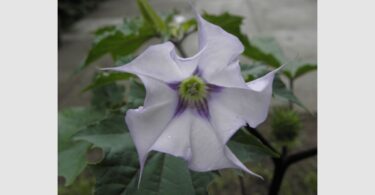
I am a longtime consumer of Homeopathy and have experienced incredible healing for my family, so I am not a critic, I am a proponent of Homeopathy and I think this information is very useful. However how can we be taken serious if you post the wrong picture of the plant that is being discussed? The plant in he pictures that accommodate this Aconite (or Monkshood) article is not Aconite but Digitalis (or Delphinium). A very different plant, the only thing they have in common is that they are both blue and they both can be very toxic when taken in an overdose, which does not have to be a very high dose at all.
So please be a bit more careful what you post, we are being criticized and lambasted for our belief in Homeopathy even in the best of times, we can’t afford to make silly mistakes like this.
Dear Marianna,
The images are not very clear and you are right, you can mistake an aconite with digitalis or delphinum if the image is not very clear. The images here seem to be closer to aconite from what I can make from other images on the net, but to be on the safe side, we will change the images with more clear ones.
Thank you for your feedback. Much appreciated!
I would like to take Aconite for restlessness and sleeplessness. Also for headaches. I see that there are different strengths of it. Which one and how much should I take? Thanks